
Topics
- Each topic has short videos, the words to learn and IELTS questions to practise.
- Watch the videos, then learn the words and test yourself.
- Plan answers to the Speaking and Writing questions. Every topic is open in the Library, and the search finds any word or question.
- Everything you save stays in this browser: no account, and nothing is marked or scored.
- Your plans stay on each topic, so you can come back and add to them.
- Clearing your browser data clears your notes too.
- Learn the words before the practice exercises: right answers fill the three dots next to each word.
- Try one Speaking question out loud after you plan it.
- The video pauses when you leave the page.



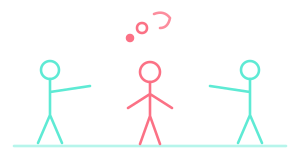
Peer pressure
Listen for these words
- peer pressure
- fit in
- influence
- confidence
- group
Videos
Vocabulary
peer pressurenoun · band 6
a strong feeling that you must do what others of your age do, so that they accept you
“Many teenagers start smoking because of peer pressure from classmates rather than personal choice.”
fit inphrasal verb · band 6
to be accepted by others as one of them
“It took her a few months to fit in with her new classmates, but she now has a close circle of friends.”
Similar: blend in
peer groupnoun · band 6
the people of a similar age and background that someone spends time with
“Teenagers often care more about the opinions of their peer group than those of their parents.”
confidencenoun · band 6
a feeling of trust in your own ability to do things well
“Praise from friends can give a shy teenager the confidence to speak in front of the class.”
Also: confident (adjective), confidently (adverb)
Similar: self-assurance
have a strong influence onverb + noun · band 6
to change a person's choices or actions in a powerful way
“Friends can have a strong influence on what teenagers wear and listen to.”
give in tophrasal verb · band 6
to stop refusing and finally do what someone wants
“He said no twice, but in the end he gave in to his friends and joined them.”
Similar: yield to
resistverb · band 7
to stop yourself from doing something you want to do or are pushed to do
“It takes strong willpower to resist the temptation to copy everything your friends do.”
Also: resistance (noun), resistant (adjective)
stand up tophrasal verb · band 7
to refuse to accept unfair treatment from someone, even when this is hard
“When a popular classmate kept mocking a new pupil, only one student was brave enough to stand up to the bully in front of everyone.”
fall in with the wrong crowdidiom · band 7
to start spending time with people who may lead you into trouble
“After he fell in with the wrong crowd at his new school, he started skipping lessons and staying out late.”
impressionableadjective · band 8
quick to copy or believe what other people say, because of having little experience
“Because they are still so impressionable, younger pupils often repeat the views of whichever classmate speaks loudest.”
Similar: easily led
fear of missing outnoun · band 7
worry that other people are enjoying something exciting without you
“Many teenagers stay on social media late at night out of fear of missing out.”
seek approvalverb + noun · band 7
to try hard to get praise or acceptance from other people
“Teenagers who seek approval from classmates may pretend to like things they actually dislike.”
pick up bad habitsphrasal verb + noun · band 6
to start behaving in a harmful way by copying people nearby
“Children can easily pick up bad habits such as swearing from older pupils.”
keep up with the latest trendsphrasal verb + noun · band 7
to stay as modern as other people by buying or doing what is popular now
“It is expensive for teenagers to keep up with the latest trends in gadgets and clothes.”
emotional supportadjective + noun · band 6
comfort and kind care that help someone feel less worried
“True friends offer emotional support when exams or family problems make life hard.”
healthy competitionadjective + noun · band 7
a friendly effort to do better than others that pushes everyone to improve
“Two best friends who race each other for top marks in maths can enjoy the healthy competition without it harming their friendship.”
antisocial behaviouradjective + noun · band 7
actions that upset or harm other people in the community
“Some teenagers drift into antisocial behaviour, such as vandalism, when nothing else seems exciting.”
assertiveadjective · band 7
able to say what you want in a firm but calm way
“Parents can teach children to be assertive, so that they can politely refuse offers they do not want.”
Also: assertiveness (noun), assertively (adverb)
conformverb · band 7
to behave in the way that other people expect
“Pupils who do not conform to their classmates' unwritten rules are often teased, even over small things such as clothes.”
Also: conformity (noun)
feel left outverb phrase · band 6
to be unhappy because others do not include you
“Nobody wants to feel left out when classmates are making plans for the weekend.”
Similar: feel excluded
think for themselvesverb phrase · band 6
to make your own choices without copying others
“Good teachers encourage students to question what they read online and think for themselves.”
Speaking Part 1
- Would you like to spend more free time with your classmates?
- Which do you prefer, studying in a group or working alone?
- What do you like most about being part of a friend group?
- Who usually helps you feel confident before a school event?
- Do you find it easy to say no when friends suggest something risky?
Speaking Part 2
You should say:
- when and where it happened
- who was involved
- what choice you made
and explain how you felt about the final decision
Speaking Part 3
- Is it fair for schools to punish a whole class when only a few students break rules?
- Who should teach young people to resist harmful group influence: parents, teachers, or friends?
- How are friendship groups among young people here different from friendship groups you know about elsewhere?
- What good and bad things can happen when teenagers copy their closest friends' habits?
- Why do some teenagers follow a group's decisions while others feel free to disagree?
- How does the pressure to fit in compare between today's teenagers and those of your parents' age?
- When it comes to helping teenagers deal with online peer pressure, who should take more responsibility: schools or social media companies?
- Do your friends influence your choices?
- How can teenagers resist negative peer pressure?
Writing Task 2
- Young people are strongly influenced by their friends. What are the positive and negative effects of this?
- Opinion: Many adults think a close family is the best protection against bad friendship choices. Do you agree or disagree that parents' guidance helps teenagers more than school lessons in resisting harmful peer pressure?
- Discuss both views: Some people believe teenagers should learn to handle group influence alone; others think adults must step in early. Discuss both views and give your own opinion.
- Advantages and disadvantages: Young people frequently adopt the habits or choices of their peer group in order to fit in. Consider the advantages and disadvantages of this tendency, then state your own view on whether its overall effect is positive or negative.
- Problem and solution: Some adolescents go along with risky behaviour because they fear being excluded by friends. What negative outcomes can this create for individuals, and which steps could parents and schools take to reduce the harm?
- Two-part question: Peer pressure can make young people doubt themselves. Should a teenager rely on personal confidence or adult advice to deal with it? Why?